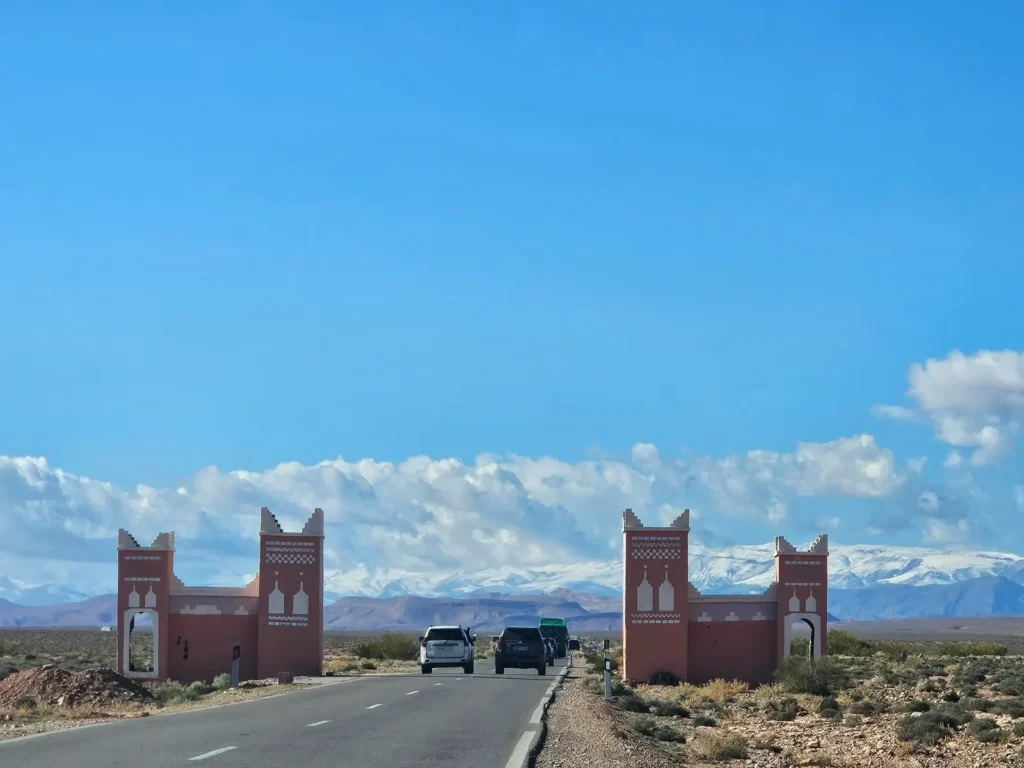
Best Time to Visit Morocco, Season by Season
The best time to visit Morocco is spring, from March to May, and autumn, from September to November: warm, sunny days in the cities, comfortable nights in the Sahara and green valleys in the Atlas. Summer is very hot inland but pleasant on the coast; winter is mild in Marrakech, cold at night in the desert and snowy in the mountains.
Morocco is big and varied, so the right month also depends on where you are going. Below is the weather region by region and month by month, the way we plan it for our own travelers.
- Best overall
- Mar–May, Sep–Nov
- Sahara
- October to April
- Coast
- Pleasant all year
- Atlas snow
- December to March
When to Visit Morocco: The Short Answer
Spring (March to May): the best season
Warm days, fresh nights, green valleys and roses in bloom in the Dades Valley in May. Everywhere is at its best, which also makes it the busiest season: plan ahead for Easter.
Summer (June to August): hot inland
Marrakech, Fes and the desert are very hot, often above 100 °F. The coast stays mild, and the High Atlas is the coolest escape. Trips still work with early starts and slow afternoons.
Autumn (September to November): the second best
The heat breaks in late September, the light is golden and the desert is comfortable again. October is one of the best months of the year.
Winter (December to February): mild days, cold nights
Sunny, mild days in Marrakech and the south; cold nights in the desert, near freezing; snow on the Atlas. Late December and early January are busy with holiday travelers.
Morocco Weather by Month
Average daytime highs in Marrakech, in the Sahara at Merzouga and on the coast at Essaouira, approximate. Nights are much cooler, especially in the desert and the mountains.
| Month | Marrakech | Sahara | Coast |
|---|---|---|---|
| January | 65 °F (18 °C) | 63 °F (17 °C) | 64 °F (18 °C) |
| February | 68 °F (20 °C) | 68 °F (20 °C) | 65 °F (18 °C) |
| March | 73 °F (23 °C) | 75 °F (24 °C) | 66 °F (19 °C) |
| April | 77 °F (25 °C) | 82 °F (28 °C) | 68 °F (20 °C) |
| May | 84 °F (29 °C) | 91 °F (33 °C) | 70 °F (21 °C) |
| June | 91 °F (33 °C) | 100 °F (38 °C) | 72 °F (22 °C) |
| July | 99 °F (37 °C) | 106 °F (41 °C) | 73 °F (23 °C) |
| August | 99 °F (37 °C) | 104 °F (40 °C) | 73 °F (23 °C) |
| September | 91 °F (33 °C) | 95 °F (35 °C) | 73 °F (23 °C) |
| October | 82 °F (28 °C) | 84 °F (29 °C) | 72 °F (22 °C) |
| November | 73 °F (23 °C) | 72 °F (22 °C) | 68 °F (20 °C) |
| December | 66 °F (19 °C) | 64 °F (18 °C) | 65 °F (18 °C) |
Month by Month
January
Sunny and mild by day, cold at night. Snow on the High Atlas makes the drive over the mountains beautiful. Desert nights are near freezing: bring warm layers.
February
Much like January, with the almond trees starting to flower in the valleys late in the month.
March
Spring arrives: green fields, clear views of the snowy peaks and comfortable days everywhere. A very good month for a first trip.
April
One of the best months of the year for the whole country. Busy around Easter, so book early.
May
Warm and bright. Roses bloom in the valley around Kelaat M’Gouna, which holds its rose festival, and the desert starts to heat up by the end of the month.
June
Hot inland, ideal on the coast. Do the desert with early starts, or save it for another season.
July and August
The hottest months. Marrakech often passes 100 °F and the Sahara is hotter still. Good for the coast and the mountains; for the cities, walk in the morning and rest in the afternoon.
September
Hot at first, easing through the month. By the end of September the desert is pleasant again.
October
Our favorite month: warm days, cool nights, golden light and a comfortable Sahara.
November
Mild days and cooler nights. Fewer travelers than in October, and some rain in the north.
December
Mild, sunny days and cold nights. Very busy between Christmas and New Year, when desert camps fill up early.
Tours for Every Season
We adjust every tour to the season: earlier starts in summer, shorter days in winter.
-
 3 days
3-Day Marrakech to Merzouga Desert Tour
Over the High Atlas to the dunes of Erg Chebbi and back: our most requested desert trip from Marrakech.Private tour · Price on request -
 7 days
7-Day Morocco Itinerary from Casablanca
The classic one-week loop: two imperial cities, the blue town of Chefchaouen and a night in the desert.Private tour · Price on request -
 10 days
10-Day Morocco Itinerary from Casablanca
Time for the coast: the imperial cities and the Sahara, then two slow days by the sea in Essaouira.Private tour · Price on request
The Best Time to Visit the Sahara
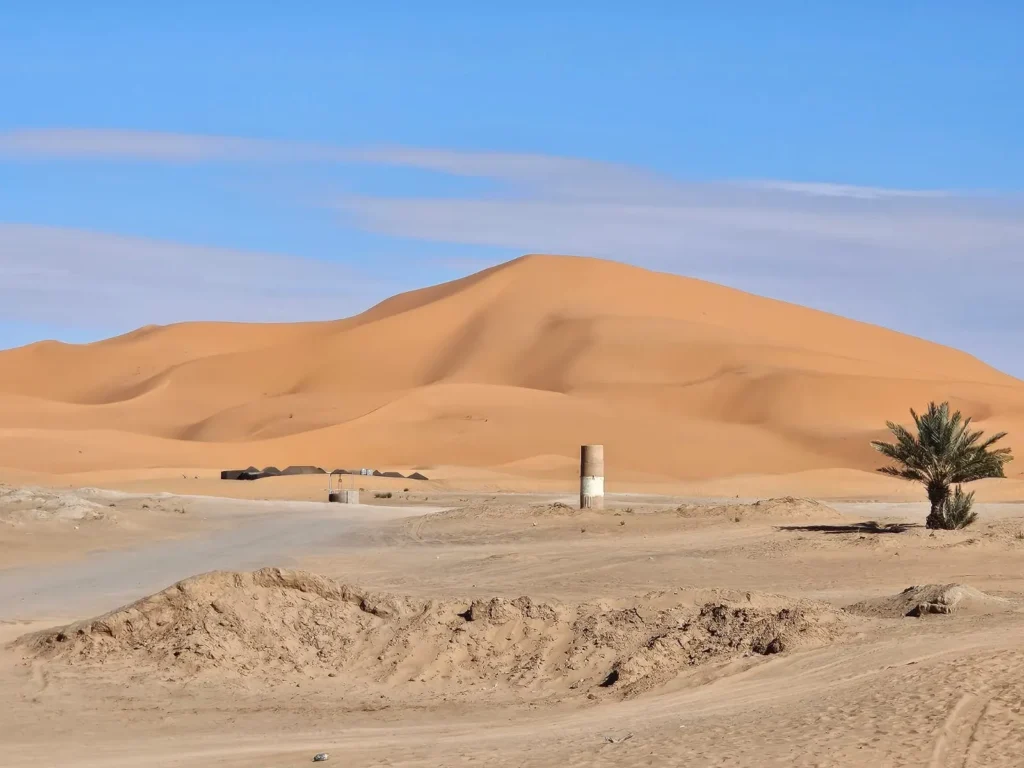
From October to April. The days are warm, and the nights at the camp range from cool in autumn and spring to cold in December and January.
- Autumn and spring are the most comfortable, with warm afternoons and pleasant evenings around the fire.
- Winter brings clear skies and sharp stars, but nights near freezing. Bring warm layers, and a hat for the sunrise.
- Spring can bring windy days with blowing sand.
- Summer is possible but very hot: camel rides happen at sunrise and sunset, and the middle of the day is for shade.
Our team is based in Merzouga, and we adjust every desert trip to the season. See our Sahara desert tours.
The Atlas Mountains and the Coast
The High Atlas
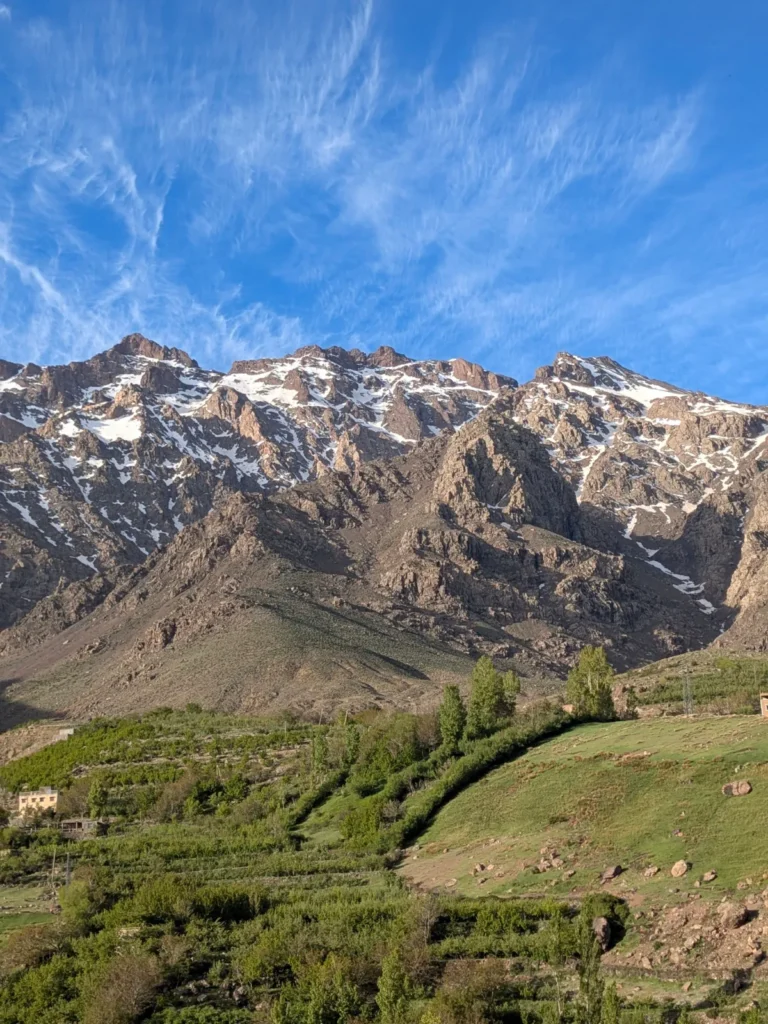
Spring and autumn are best for walking. From December to March the peaks are white with snow and the villages are cold; the Tizi n’Tichka pass can close for a few hours after heavy snowfall. In summer the mountains are the coolest place near Marrakech: see our Atlas Mountains day trip.
Essaouira and the Atlantic
Mild all year, rarely hot. The trade winds blow hard in summer, which is why Essaouira is known for windsurfing and kitesurfing. It is the classic escape from the summer heat of Marrakech: see our Essaouira day trip.
The north
Chefchaouen, Tangier and the Rif get most of their rain between November and March. Spring is lovely, with green hills.
Ramadan, Holidays and Festivals
Ramadan
The month of fasting moves about 11 days earlier each year. In 2027 it is expected to begin around February 8, depending on the sighting of the moon. Tours run as usual; some cafés and restaurants outside the tourist areas close during the day, and the evenings after the fast are lively.
Busy periods
Easter, late December to early January, and European school holidays are the busiest times. Desert camps and the best riads fill up first, so book early for those dates.
Festivals
- The Rose Festival in Kelaat M’Gouna, in May.
- The Fes Festival of World Sacred Music, usually in late spring or early summer.
- The Gnaoua World Music Festival in Essaouira, usually in June.
Dates change each year; check them before you plan around a festival.
When Not to Go, and Why It Can Still Work
If you dislike heat, avoid inland Morocco in July and August. If you dislike crowds, avoid Easter and the Christmas holidays.
But almost any month can work with the right plan. In summer, we start early, add the coast and the mountains, and keep the afternoons slow. In winter, we plan shorter driving days and make sure you know what to pack for the desert night. Tell us your dates, and we build the trip around the season. See our Morocco itinerary guide for how many days you need.
Morocco Weather Questions
Planning a trip and still unsure? Ask us: a real person on our team in Merzouga replies.
What is the best month to visit Morocco?
April and October are hard to beat: warm days, cool nights and good conditions everywhere from the cities to the Sahara.
When is the rainy season in Morocco?
Most rain falls between November and March, mainly in the north and in the mountains. The south and the desert are dry most of the year.
Is Morocco too hot in summer?
Inland, often yes: Marrakech and the desert regularly pass 100 °F in July and August. The coast stays mild, and with early starts a summer trip still works.
Is it cold in Morocco in winter?
The days are mild and often sunny, but nights are cold, near freezing in the desert and below freezing in the mountains. Bring warm layers.
When is the best time to see the Sahara?
From October to April. Summer is possible, with rides at sunrise and sunset, but the middle of the day is very hot.
Pick Your Season.
Tell us when you can travel and we plan the trip around the weather. We reply within 24 hours with a plan and a price.