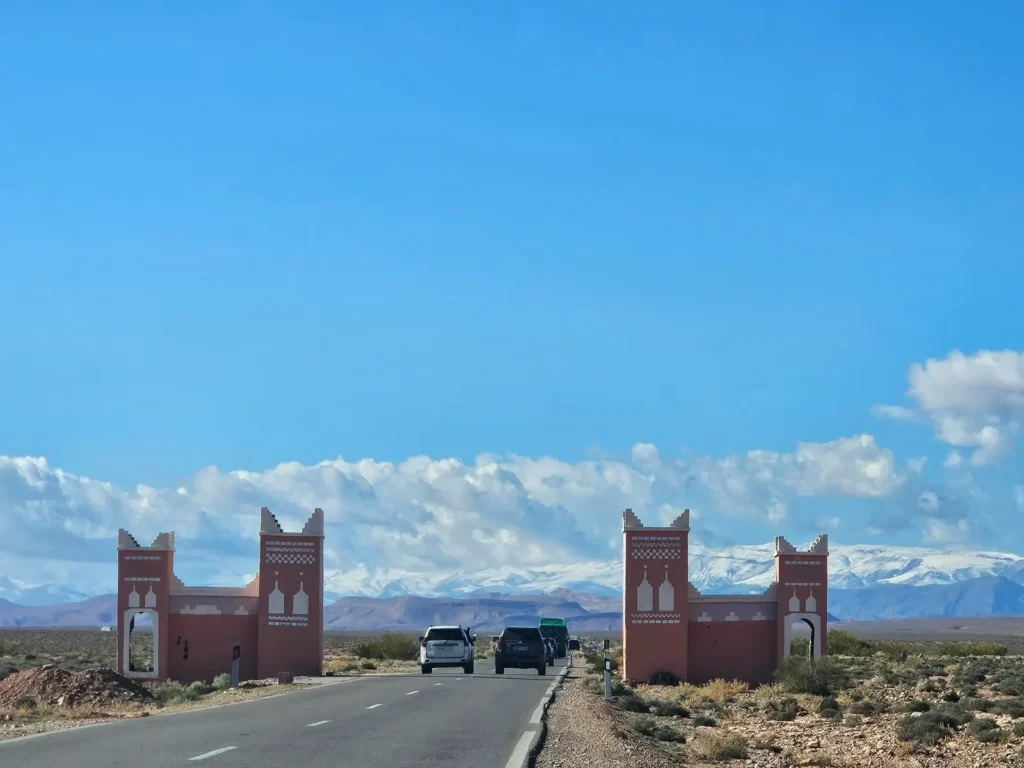
Is Morocco Safe? An Honest Answer from Our Local Team
Yes: Morocco is a safe country to visit for most travelers, Americans included. Violent crime against tourists is rare. The problems visitors actually meet are petty ones, such as pickpockets in crowded souks, pushy touts and overcharging, and the biggest real risk is the road.
We have planned private trips across Morocco since 2016, and this is the advice we give our own travelers. Official advice can change, so read your government’s current travel advisory before you book.
- Police
- Dial 19
- Ambulance and fire
- Dial 15
- Gendarmerie (rural)
- Dial 177
- Main risks
- Petty theft, touts, roads
How Safe Is Morocco?
Morocco is one of the most visited countries in Africa, with more than 17 million visitors in 2024, and tourism matters enormously to the country. That shows on the ground: the police are visible in the cities, at the main sites and on the roads, and the big cities have tourist police.
What travelers actually run into
- Hassle in the medinas: touts, shop owners and unofficial guides who follow you and talk. Annoying, rarely more.
- Pickpockets in crowded places such as the Jemaa el-Fna square and the souks.
- Overcharging: taxis without a meter, “free” directions that end with a request for money, prices doubled for tourists.
- Traffic: busy city streets, mountain roads and driving at night.
What is rare
Violent crime against visitors is uncommon, and most travelers finish their trip without any trouble at all. Using normal city sense, the same you would use in New York or Rome, handles most of what can go wrong.
Is Morocco Safe for Americans?
Yes. Americans are welcome in Morocco, and the two countries have one of the oldest friendships in American history.
A long friendship
Morocco was one of the first countries to recognize the United States, in 1777, and the Moroccan-American Treaty of Peace and Friendship signed in 1786 is the longest unbroken treaty in US history. In Tangier, the American Legation, given to the United States by the sultan in 1821, was the first property the US owned abroad.
On the ground
People will ask where you are from, out of curiosity. Politics rarely comes up, and when it does, the conversation is polite.
Before you go
- Read the current travel advisory for Morocco on the US State Department website, travel.state.gov.
- Enroll in the State Department’s Smart Traveler Enrollment Program (STEP), so the embassy can reach you in an emergency.
- The US Embassy is in Rabat, and there is a US Consulate General in Casablanca.
Staying Safe in the Medinas
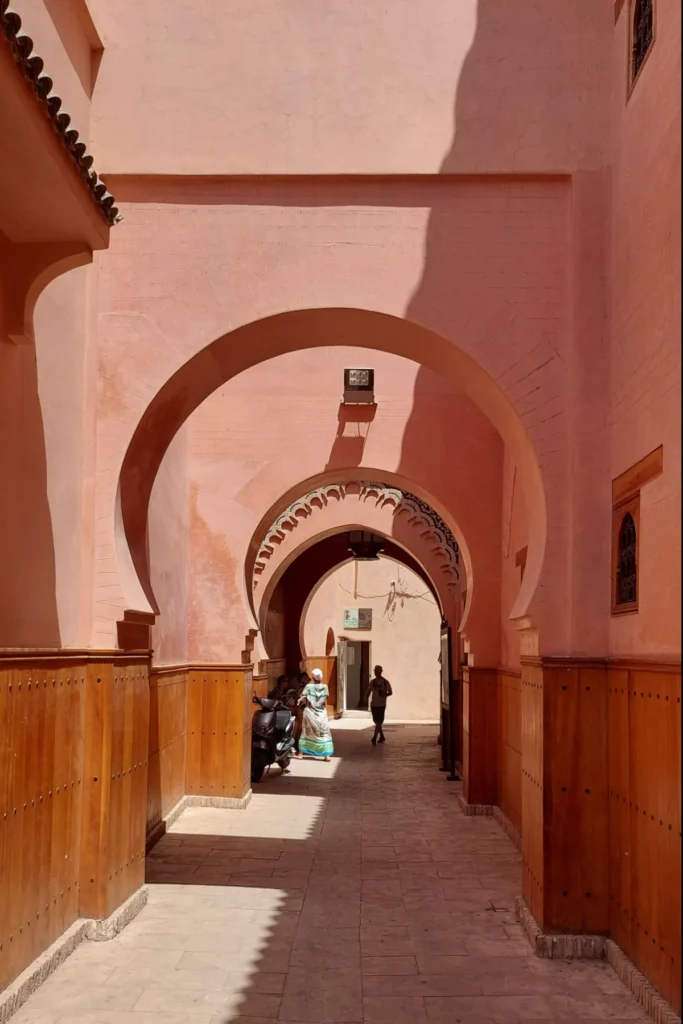
The old walled cities of Marrakech and Fes are where most visitors feel unsure, mainly because they are so easy to get lost in.
Unofficial guides
Someone tells you the road ahead is closed, or offers to show you the way, then leads you to a shop or asks for money. Say la, shukran (no, thank you), keep walking, and ask a shopkeeper or a woman with children if you need directions. A licensed guide, booked in advance, avoids the problem entirely: see our city tours.
Your bag and phone
Carry your bag in front of you in crowds, keep your phone in a front pocket, and leave passports and spare cards in the riad safe.
Henna, snakes and monkeys
In Jemaa el-Fna, some henna artists grab a hand and start drawing, and animal handlers put a monkey on your shoulder, then ask for money. Keep your hands to yourself and say no clearly.
After dark
The main squares and streets stay busy late and feel safe. In the quiet back lanes, ask your riad to send someone to meet you, or take a guide.
Taxis
In the cities, the small taxis should use the meter; if the driver refuses, agree the price before you get in. Better still, use your own driver.
Travel with a Local Driver
On a private tour your driver is a local at your side from the first day, which takes most of the stress out of a first visit.
-
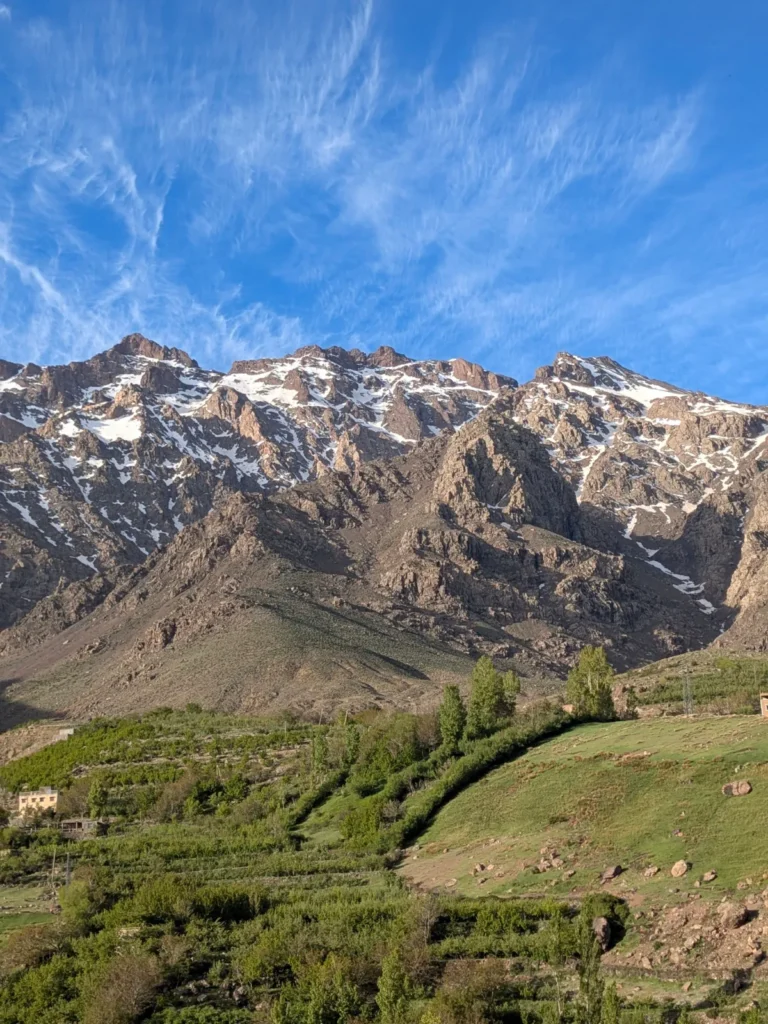 5 days
5-Day Morocco Itinerary from Marrakech
A first taste of Morocco: over the High Atlas, past the kasbahs, and a night in the Sahara at Merzouga.Private tour · Price on request -
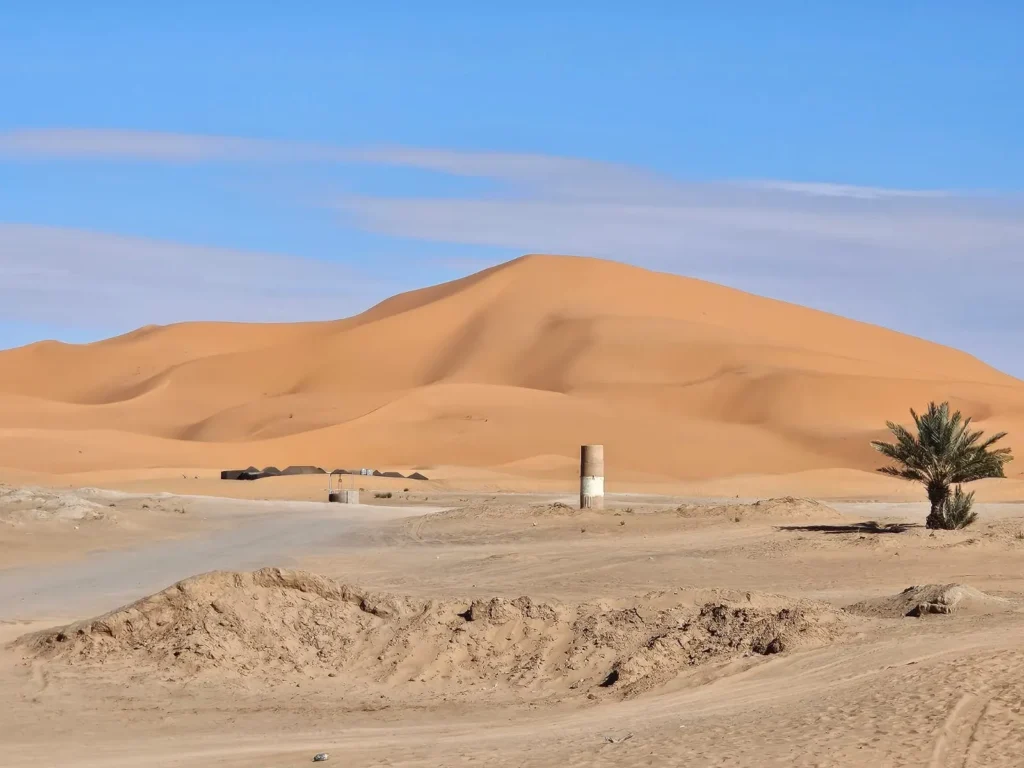 7 days
7-Day Morocco Itinerary from Casablanca
The classic one-week loop: two imperial cities, the blue town of Chefchaouen and a night in the desert.Private tour · Price on request -
 3 days
3-Day Marrakech to Merzouga Desert Tour
Over the High Atlas to the dunes of Erg Chebbi and back: our most requested desert trip from Marrakech.Private tour · Price on request
Road Safety
This is the honest part: in Morocco, as in many countries, traffic is a bigger risk to visitors than crime.
- City traffic is fast and chaotic, with scooters, carts and pedestrians everywhere.
- Mountain roads such as the Tizi n’Tichka pass over the High Atlas are good but long and winding, and can close for a few hours after heavy snow.
- At night, country roads are unlit, and you meet trucks, animals and bicycles without lights.
- Police speed checks are frequent, and fines are paid on the spot.
That is the main reason our travelers choose a private driver: someone who drives these roads all the time and plans each day so that the long stretches are not rushed.
Is Morocco Safe for Women?
Many women travel in Morocco, alone or with friends, and have a very good time. The honest answer is that street comments and unwanted attention are common in the medinas; physical harassment is much rarer.
What helps
- Loose clothes that cover the shoulders and knees draw less attention.
- Ignore comments and keep walking; a firm la, shukran works better than a conversation.
- Sunglasses help you avoid eye contact in busy places.
- Traveling with a driver or a guide cuts down the hassle a great deal.
- If you need help, ask a woman, a family or a shopkeeper.
Health, Food and Water
Water
Drink bottled or filtered water. Bottled water is sold everywhere and your driver keeps some in the car.
Food
Moroccan food is one of the pleasures of the trip. Freshly cooked tagines, couscous and grills are safe; be more careful with salads washed in tap water and with fruit you cannot peel if your stomach is sensitive.
Heat and sun
From May to September, inland Morocco is hot. Wear a hat, drink more than you think you need, and do your walking in the morning and late afternoon.
Pharmacies and insurance
Pharmacies, marked with a green cross, are easy to find in towns, and pharmacists often speak French and some English. Take travel insurance that covers medical care, and ask your doctor or a travel clinic about vaccines before you go.
Is the Sahara Safe?
Yes, when you go with people who know it. Our team lives in Merzouga, at the edge of the dunes.
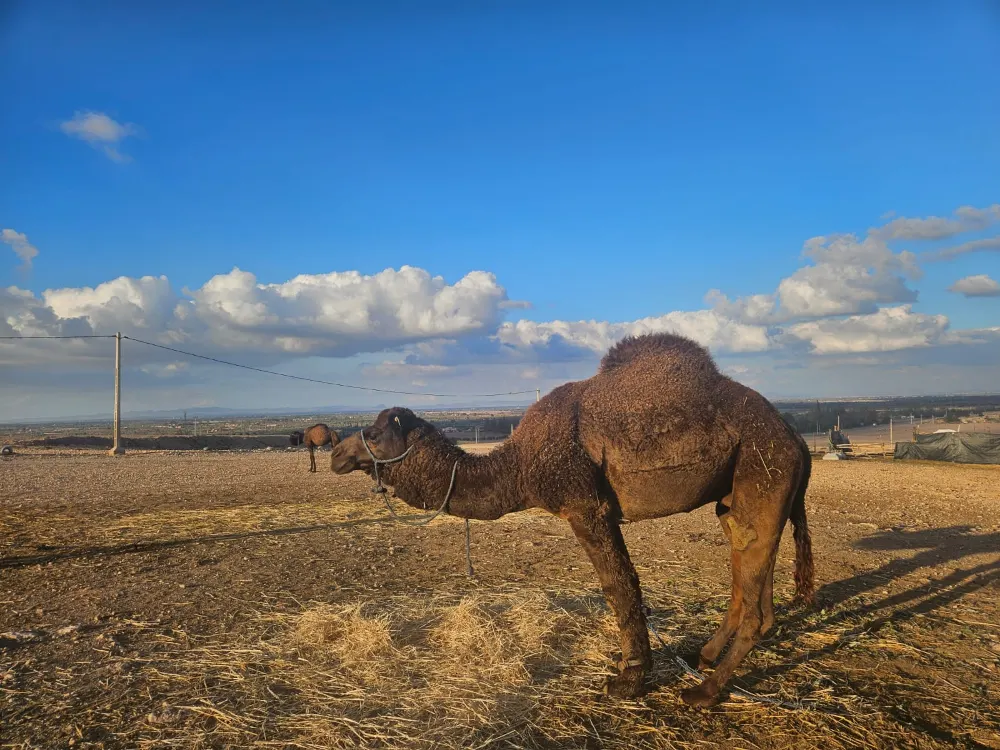
- Camel rides are led on foot by a camel handler at a slow walk.
- At the camp, stay with the camp at night; the dunes all look the same in the dark.
- In summer the desert is very hot in the middle of the day, so rides and walks happen at sunrise and sunset.
- In winter the nights are cold; bring warm layers.
See our Sahara desert tours for how a desert trip works.
Terrorism, Protests and Official Advice
Like much of the world, Morocco has suffered terrorist attacks in the past, and official travel advisories mention the risk. Attacks are rare, and security forces are visible at airports, hotels, stations and the main sites.
Avoid demonstrations and large political gatherings, follow local news during your trip, and read your government’s advice before you book: the US State Department, the UK Foreign Office, and the Canadian and Australian governments all publish current advice for Morocco.
How We Look After Our Travelers
- One driver, the whole trip. The same English-speaking driver/guide from your first pickup to your last drop-off.
- Door to door. Your driver meets you at the airport, and at the nearest gate to your riad.
- Licensed guides in the medinas, on request.
- Days planned around the road: realistic driving times and stops to rest.
- Our team on WhatsApp during your trip.
Read more about why travelers choose a private tour.
Morocco Safety Questions
Planning a trip and still unsure? Ask us: a real person on our team in Merzouga replies.
Is Morocco safe for tourists right now?
Morocco is safe for most visitors, and millions visit every year without trouble. Situations can change, so check your government’s current travel advisory before you book and before you fly.
Is Marrakech safe?
Yes. The main risks in Marrakech are pickpockets, touts and overcharging in and around the medina. Keep your bag in front of you, agree taxi prices first, and use a licensed guide in the souks.
Is it safe for a woman to travel alone in Morocco?
Many women do, and enjoy it. Expect comments in the medinas; dressing modestly, ignoring hassle and traveling with a driver or guide make a big difference.
Can you drink the tap water in Morocco?
We recommend bottled or filtered water. It is cheap and sold everywhere.
Is it safe to drive in Morocco?
The motorways are good, but city traffic, mountain passes and night driving are demanding. A private driver removes that risk.
Is Morocco safe for families with children?
Yes. Moroccans are very warm with children. Plan shorter driving days, watch the sun in summer, and hold hands in busy souks.
Travel with Someone Local.
Tell us your dates and what you would like to see. We reply within 24 hours with a plan and a price.