Morocco Travel Guide
Our Morocco travel guide answers the questions travelers ask us before every trip: when to go, how many days you need, what a trip costs and whether Morocco is safe. It is written by our team in Merzouga, from years of planning private trips across the country.
Start with the four planning guides below, then read our quick Morocco travel tips on money, dress, language and customs, and the places most first trips include.
Morocco Travel Tips
The practical things we tell every traveler before they arrive.
Money
The currency is the Moroccan dirham (MAD), which you can only buy in Morocco. Use an ATM or change money when you land, and carry cash for lunches, markets, taxis and tips. Larger hotels and restaurants take cards.
Language
Moroccans speak Darija, a Moroccan Arabic, and Tamazight, the Berber languages. French is widely used in business and signs. In hotels, riads and the tourist areas, English is common; a few words of Arabic go a long way: salam alaikum (hello) and shukran (thank you).
What to wear
Light, loose clothes that cover the shoulders and knees are comfortable and respectful, for men and women. Bring layers: the mountains and the desert are cold at night for much of the year.
Power and phones
Morocco uses 220-volt power and the round two-pin European plugs, so travelers from the US need an adapter. Local SIM cards are sold at the airports and are cheap; mobile data works in most places, including much of the desert.
Water
Drink bottled or filtered water rather than tap water, and use it to brush your teeth if your stomach is sensitive.
Bargaining
In the souks, prices are a starting point. Take your time, stay friendly, and only name a price you are happy to pay. In shops with marked prices, and for food, there is no bargaining.
Time
Morocco is on GMT+1 for most of the year, and switches to GMT during Ramadan.
Where to Go in Morocco
Most first trips combine three or four of these places. Our Morocco itinerary guide shows how they fit together.
Marrakech
The busiest medina in the country, with the Jemaa el-Fna square, palaces and gardens, and the High Atlas an hour away. See our tours from Marrakech and our Marrakech medina tour.
Fes
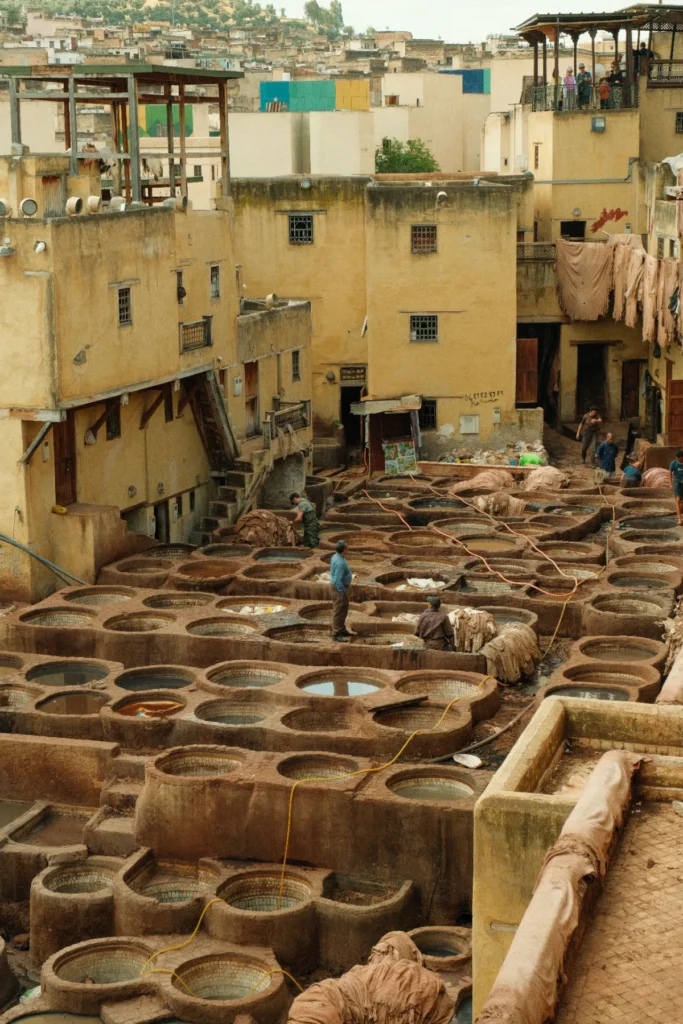
The oldest imperial city, with one of the best-preserved medieval medinas in the world. See our Fes guided tour and tours from Fes.
The Sahara
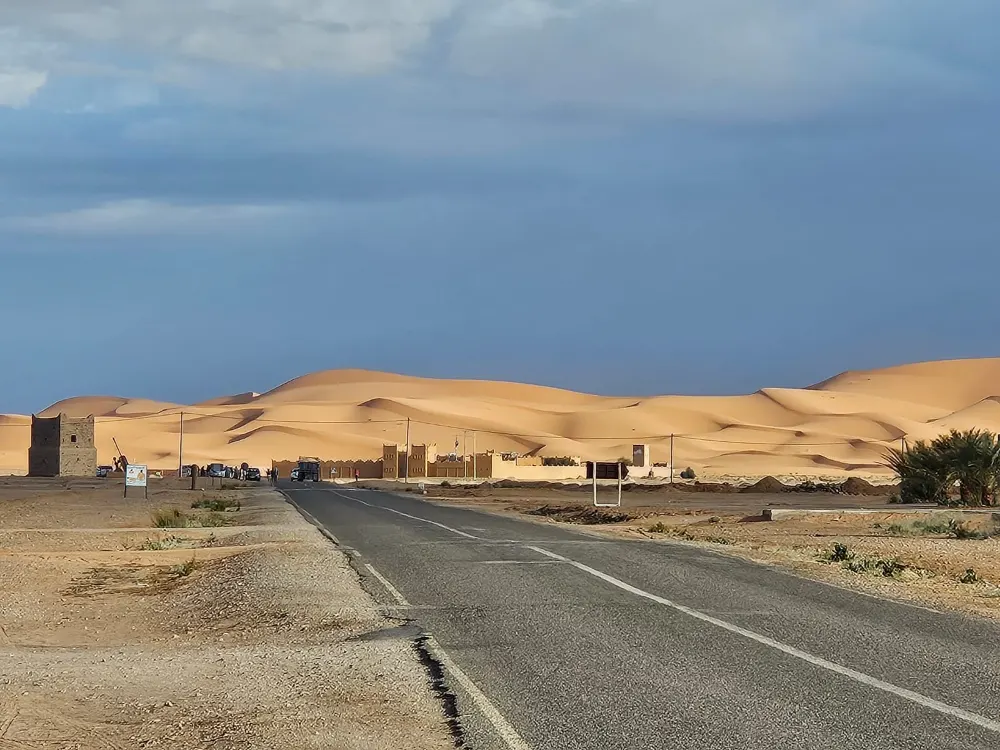
The dunes of Erg Chebbi at Merzouga, our home, and the smaller dunes of Zagora. Plan at least two nights away from Marrakech. See our Sahara desert tours.
Chefchaouen
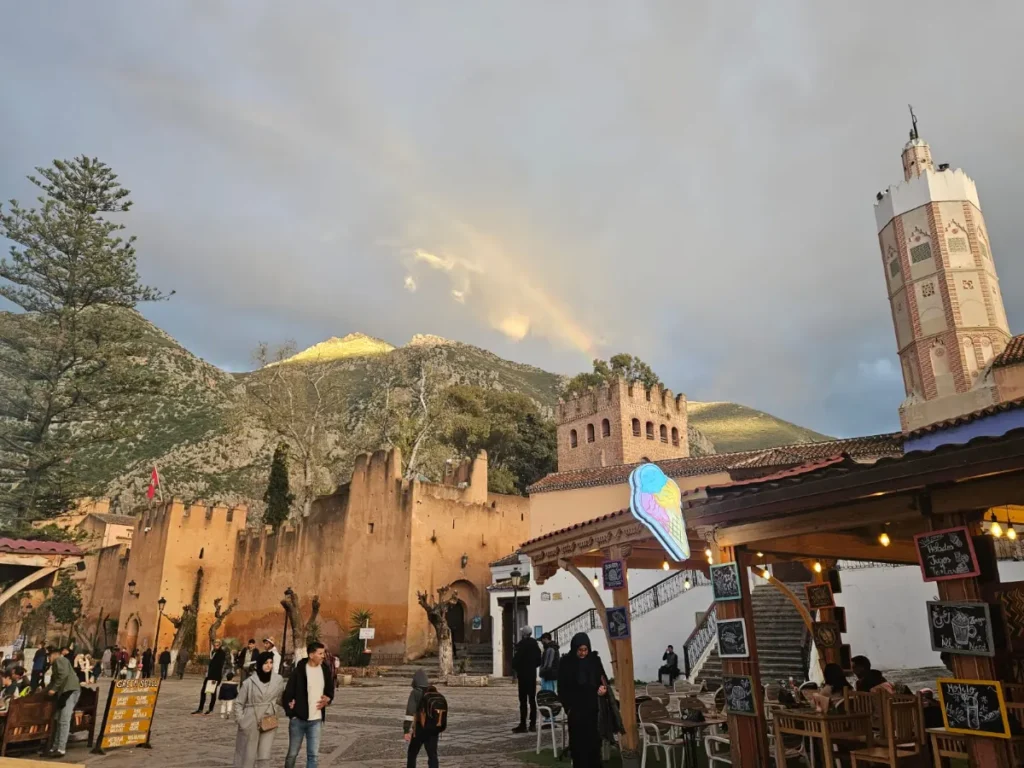
The blue town of the Rif Mountains, between Fes and Tangier. See our Chefchaouen day trip from Fes.
The Atlas Mountains
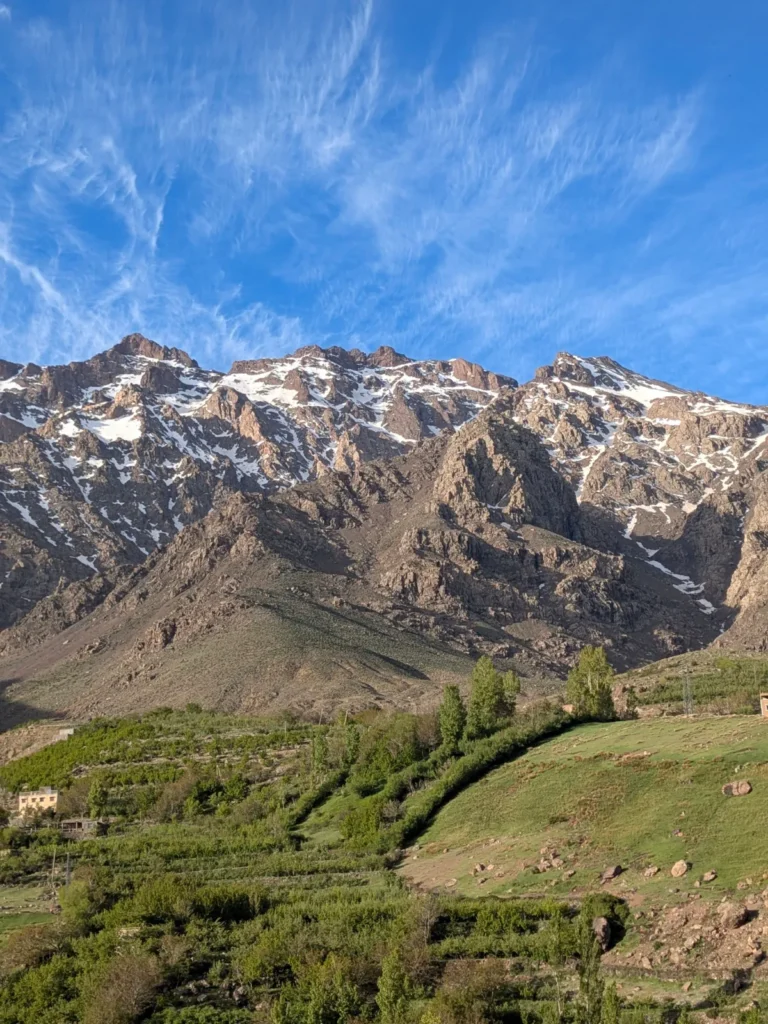
Berber villages, walnut groves and snowy peaks from December to March. See our Atlas Mountains day trip.
The coast
Essaouira for ramparts, fish and sea air; Casablanca for the Hassan II Mosque; Tangier for the ferry from Spain. See our Essaouira day trip, the Casablanca city tour and tours from Tangier.
Culture and Etiquette
Hospitality
You will be offered mint tea often, in shops, homes and riads. Accepting a glass is polite; you do not have to buy anything.
Mosques
Most mosques in Morocco are closed to non-Muslims. The great exception is the Hassan II Mosque in Casablanca, which runs guided tours for visitors.
Photos
Ask before you photograph people, and accept a no. Performers in the squares expect a small tip for a picture.
Eating
Traditional dishes like couscous and tagine are shared from one plate, often eaten with bread, and with the right hand.
Alcohol
Morocco is a Muslim country but alcohol is served in licensed hotels, restaurants and bars, mostly in the cities. Drinking in the street is not acceptable.
Ramadan
During the month of fasting, tours run as usual. Some cafés close during the day outside the tourist areas, and it is polite not to eat or drink in the street in daylight.
Public affection
Holding hands is fine; more than that in public is frowned upon, in the cities and even more in the countryside.
Morocco Travel Questions
Planning a trip and still unsure? Ask us: a real person on our team in Merzouga replies.
Do Americans need a visa for Morocco?
No. US citizens can visit Morocco without a visa for up to 90 days, as can citizens of Canada, the UK, Australia and most of Europe. Your passport must be valid for your whole stay; check the current rules before you travel.
What is the best time to visit Morocco?
Spring, from March to May, and autumn, from September to November. See our guide to the best time to visit Morocco for the weather region by region.
How many days do you need in Morocco?
Seven days for a first loop with one night in the Sahara; 10 to 14 days to add the coast and the mountains at an easier pace.
Is Morocco safe for tourists?
Yes, for most travelers. The usual problems are petty: pickpockets in crowded places, pushy touts and overcharging. Our guide to Morocco safety covers the details.
What language is spoken in Morocco?
Moroccan Arabic (Darija) and the Berber languages, with French widely used. English is common in hotels, riads and the tourist areas, and all our drivers speak English.
Plan with People Who Live Here.
Tell us your dates and what you would like to see. We reply within 24 hours with a day-by-day plan and a price.